
When farmers are buyers: The missing side of the Unfair Trading Practices debate
19/10/2026
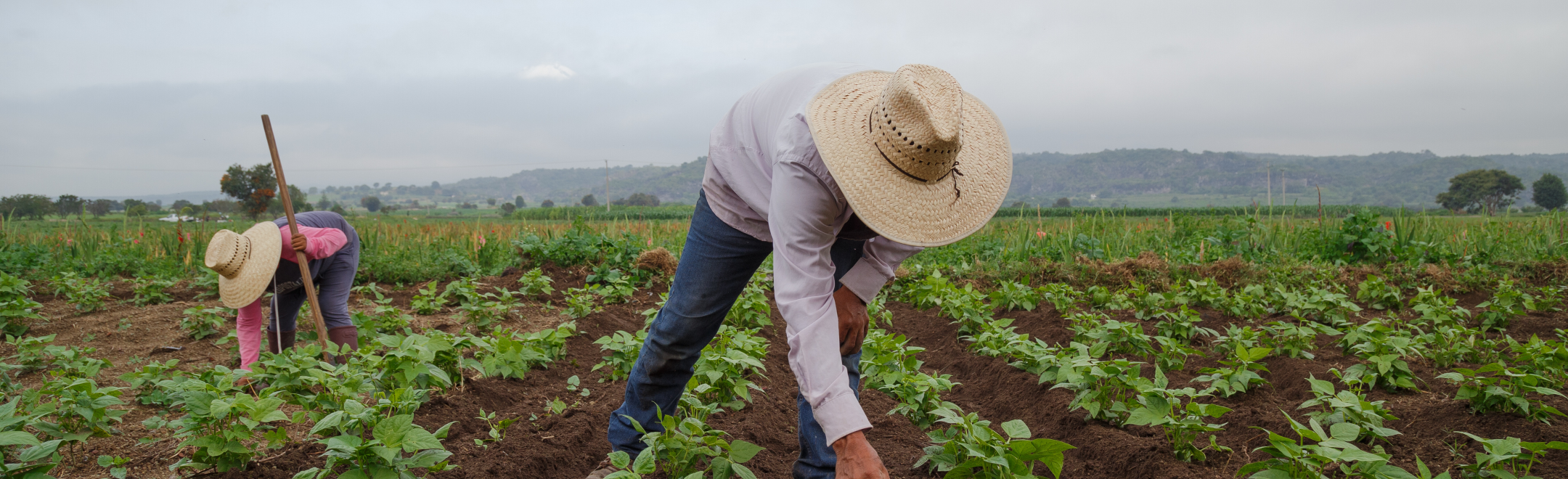
The debate around the revision of the Unfair Trading Practices (UTP) Directive often focuses on protecting farmers when dealing with more powerful buyers. This objective is important and widely supported. However, a key question is frequently overlooked: what happens when the farmer is not the supplier, but the buyer?
Farmers occupy a unique position in the agri-food chain. They sell agricultural products such as milk, grain, fruit, vegetables, and livestock, but they also purchase a wide range of essential inputs, including fertiliser, feed, seeds, machinery, energy, and crop protection products. In other words, farmers can be both suppliers and buyers. While the UTP framework is designed primarily to protect suppliers from abusive purchasing practices, it offers far less consideration to situations in which farmers themselves are exposed to stronger market players as buyers.
Protection depends on which side of the transaction you are on
The logic behind the Unfair Trading Practices Directive is straightforward: smaller suppliers can face significant pressure when negotiating with larger buyers. The rules therefore seek to prevent certain commercial practices of a smaller seller when dealing with a larger buyer.
This creates an important asymmetry. A farmer selling produce may benefit from UTP protections, but the same farmer purchasing fertiliser or animal feed may find that those protections do not apply. The result is that vulnerability is recognised on one side of the transaction, but not necessarily on the other.
This is something retailers clearly recognise as they have been excluded from protection by the Directive entirely – even for SME buyers when faced with the practices used by powerful suppliers. The revision of the Directive this year could lead to more asymmetry, if protection is extended to large players who have a turnover of more than 350 million.
Rising input costs highlight the problem
The limitations of this approach become particularly visible during periods of rising input costs.
Over recent years, many farmers have faced sharp increases in the price of energy, fertiliser, feed, transportation, and other essential inputs. Similarly, retailers have also been confronted with price rises, sometimes above inflation, from their own suppliers, high energy costs or supply chain disruption. When these costs rise, farmers have little choice but to absorb them or attempt to recover them through higher prices for their agricultural products. Yet in competitive markets, passing costs along is not always possible. Retailers also face hard choices – pass on the costs to consumers or squeeze their already small margins.
If public policy focuses exclusively on protecting farmers when they sell, while ignoring the pressures they face when they buy, it risks addressing only part of the problem. A farmer’s financial situation depends not only on the price received for products, but also on the costs incurred in producing them. Strong protection on the selling side can be undermined if purchasing costs continue to rise.
A whole-chain perspective is needed
A balanced approach should recognise that vulnerability is not determined solely by whether a business is classified as a supplier or a buyer.
Protecting farmers remains an important policy objective. However, the discussion should not stop there. Farmers are not only suppliers; they are also significant buyers of essential inputs. When costs rise and bargaining power is uneven, the challenges they face as purchasers can be just as significant as those they face as sellers.
Retailers and farmers are both unprotected when it comes to their own purchases. This is unlikely to be addressed through a Directive that protects suppliers rather than buyers. The turnover thresholds are therefore essential to keeping the rules focused on smaller farmers and food producers dealing with larger buyers. Raising or removing those thresholds would not strengthen farmers’ position: it would extend regulatory protection to large global food manufacturers in their negotiations with retailers and wholesalers, including SME buyers. Changing the thresholds would reinforce the bargaining power of multinationals, while leaving farmers, SME retailers and SME wholesalers unprotected when they buy.
Director, Competitiveness

Leena is EuroCommerce’s Director of Competitiveness coordinating advocacy on retail and wholesale ecosystem competitiveness. She is British and has a practical knowledge of EU policy-making from her experience as a legal and policy officer in the European Commission (DG GROW) and is a qualified UK lawyer.