One Chain. One Market. Better Choices.
13/02/2026
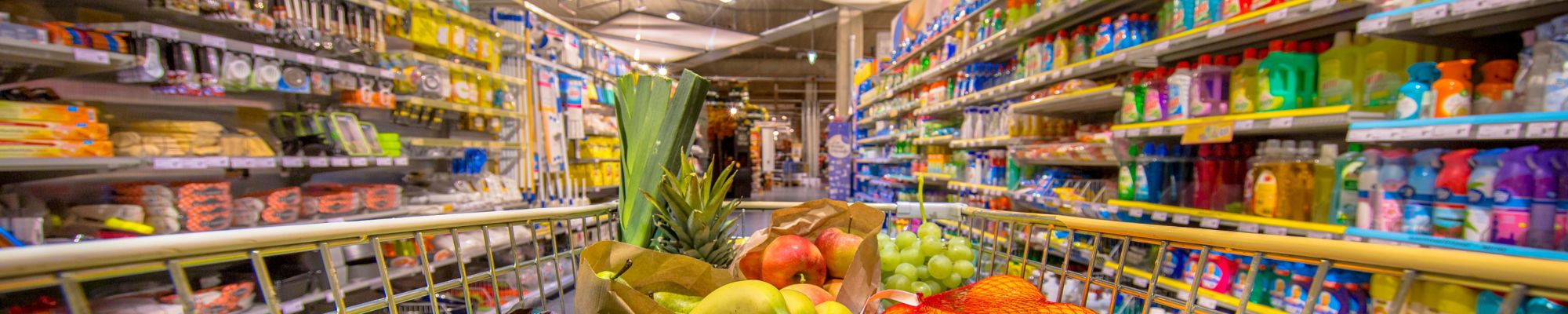
EU citizens notice when their shopping becomes more expensive, but most may not appreciate the benefit they get from retailers and wholesalers negotiating on their behalf.
When you shop in person or online, you choose what fits you best in terms of price, products, and quality. This is thanks to retailers and wholesalers working with diverse suppliers from across the EU and globally – both big and small.
Retailers and wholesalers react to consumer changes and stay ahead of competition by anticipating trends, remaining flexible and innovative. As a competitor is usually only a short distance away, and consumer loyalty is never guaranteed, a retailer needs to offer the best value, choice and service to its customers, so they keep coming back.
Better deals in stores attract consumers. They increase the market and improve the prospects of those suppliers working with the retailers and wholesalers, and in turn, the suppliers of the suppliers. Retailers and wholesalers rely on their value chain to deliver quality, trusted brands, sustainable choices, and local options.
What is behind this? The Single Market.
Its scale supports resilience and provides diverse European food vital for our culture and identity, giving consumers lower prices and choice.
What stands in the way of retailers and wholesalers getting the best deal possible in the Single Market? Territorial Supply Constraints.
Large multinational manufacturers are sourcing and producing in the Single Market, but they are fragmenting it to maintain higher prices for consumers in some countries. They block retailers and wholesalers negotiating the best deal for consumers in the Single Market. Thankfully, this is something that the European Commission has promised to stop as territorial supply constraints are one of the ‘terrible ten’ Single Market barriers.
Retail alliances – a tool against Territorial Supply Constraints
One of the tools retailers and wholesalers use to get the best deal, and counter territorial supply constraints, is retail alliances.
Retailers get together to jointly buy the brands customers want to find in their stores or negotiate together the terms of supply contracts for those purchases. Alliances help retailers be efficient, enable good prices to be offered to consumers and investing in customer service.
European alliances negotiate with large multinationals or with the suppliers that produce private labels (retailer’s own brands) and have the scale to serve retail networks in several countries. European alliances do not deal with small farmers or SMEs.
What is behind the price of a product?
Retailers and wholesalers develop their pricing strategy by pooling the outcome of their supplier negotiations. This is matched with an understanding of their customers, to create an appealing basket in terms of price, choice, quality, lifestyle or specialist diet.
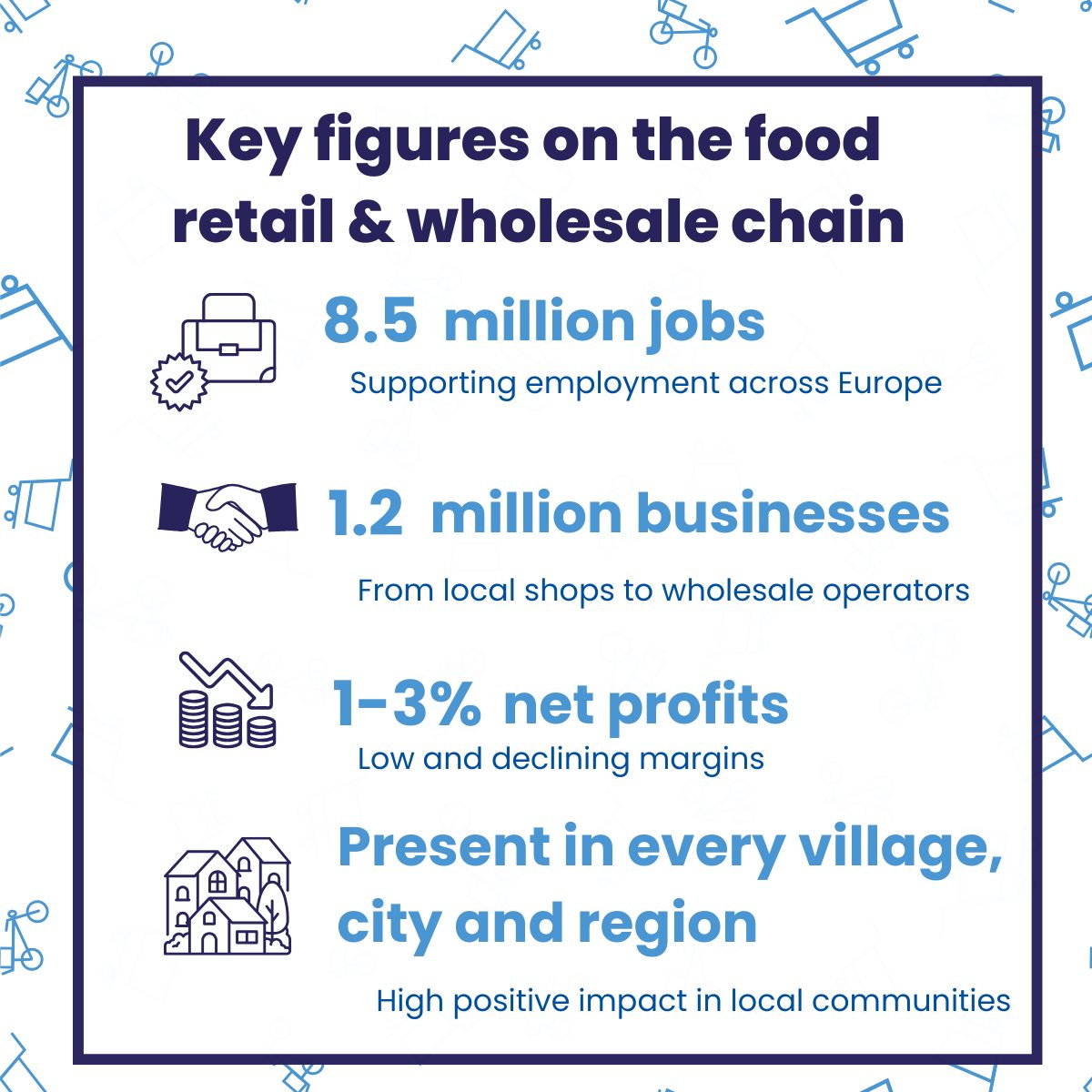
The price a consumer pays reflects what the retailer has paid to its suppliers (about 70% of the consumer price) and what it needs to pay its workers, real estate and other operating costs (energy use, logistics, IT, etc.). This leaves only a very small margin (profit) for the retailer and wholesaler. In grocery retail and wholesale, this can be between 1 to 3 euros for every 100 euros spent.
But how do these negotiations impact other actors in the value chain, including farmers?
Economic literature shows that better prices mean more spending by consumers. By expanding the demand for products, retailers and wholesalers create economies of scale. This benefits the whole chain, including farmers.
This point is critical to understanding: Retailers and wholesalers must be free to negotiate in the Single Market with large suppliers, and use retail alliances, because this is good for consumers and does not damage farmers.
If legislation is needed to regulate contract terms, the focus needs to be on the first buyer from the farmer. Overregulation can hurt consumers, whilst not helping farmers.
Regulating contracts between retailers and large processors will not improve the position of farmers. The Commission had said it clearly in 2018: ‘it is not obvious that farmers or other parties higher up in the supply chain would benefit from a regulation of UTPs that would give large processors or manufacturers greater margins’. Suggesting giving greater negotiating power to large suppliers, who already possess significant market influence, might negatively impact consumer prices.
This was confirmed most recently by the German Monopoly Commission: ‘strengthening manufacturers appears to lead to a margin shift between producers and food retailers that does not benefit agriculture or consumers […] it is neither evident from the available data nor theoretically plausible that agricultural businesses benefit when manufacturers prevail in disputes with retailers.’
UTP laws should focus on what truly helps farmers
Focusing on raising awareness and on what rules can truly help farmers and small processors improve their weaker position and economic situation is key. We need a proportionate and practical response. This should also be seen as a complement to measures supporting farmers and small processors’ competitiveness such as collaboration, capacity building, digitalisation or the mutualisation of equipment.
This will also help preserve jobs in retail and wholesale by focusing on better regulation, better collaboration with the value chain and companies remaining competitive and innovative.
Action cannot come in isolation: debates on territorial supply constraints, food affordability, retail alliances and UTP legislation must come together.
Director, Competitiveness

Leena is EuroCommerce’s Director of Competitiveness coordinating advocacy on retail and wholesale ecosystem competitiveness. She is British and has a practical knowledge of EU policy-making from her experience as a legal and policy officer in the European Commission (DG GROW) and is a qualified UK lawyer.