

Retail and wholesale is the largest private-sector employer in the EU. It provides jobs for close to 26 million people, representing about 13% of the total workforce.
Key issue
Our sector has a highly diverse workforce and offers career opportunities to people from a wide range of backgrounds, including members of minority groups, residents of rural areas, and those looking for part-time work. In the coming years, retailers and wholesalers will have to accelerate a comprehensive skill and talent transformation to contribute to the lifelong learning of their employees and to stay competitive. Our study with McKinsey indicates that European retailers and wholesalers may need to hire as many as 800,000 to 1.5 million new people every year until 2030, and 10 to 13 million employees will need to acquire new skills.
Our sector is in the middle of transformative change it has vastly transformed in the last 10 years. And it will be totally different in 10 years’ time.
Amidst the ongoing waves of digitalisation and the imperative shift towards sustainability, retailers and wholesalers are increasingly dedicated to fostering a safe and thriving work environment. Their commitment extends beyond mere compliance with regulations to actively promoting the well-being of their employees. This includes ensuring lifelong employment opportunities, supporting career progression initiatives, combating all forms of discrimination, and fostering a culture of inclusivity and diversity as well as healthy workplaces.
Here you will find some examples that underscore retailers’ and wholesalers’ dedication to promoting a holistic well-being approach for their employees.
Women’s Entrepreneurship in Retail & Wholesale
Women play a key role in entrepreneurship across Europe, especially in the retail and wholesale sector. Today, 28% of employers in the EU are women, and 1 in 5 women entrepreneurs are active in retail and wholesale.
The sector stands out as one of the most inclusive, with more women-led businesses compared to other private sectors. Women also make up 62% of the retail workforce, highlighting their strong contribution not only as employees but also as business leaders.
Supporting women entrepreneurs means supporting innovation, diversity, and growth in the economy. While progress has been made, continued efforts are needed to remove barriers and create more opportunities for women to lead and succeed.
Promoting a culture of lifelong learning, career opportunities & skills
The ongoing twin transformation, accelerated by the widespread adoption of digital technologies not only in workplaces but also in people’s daily lives, is reshaping the world of work. Consumers are driving these changes significantly. These demands encompass not only technological advancements but also an increased interest in sustainability, leading to the emergence of new business models focused on rental, repair, refurbishment, and resale. These shifts are further propelled by demographic transitions, including an ageing population, the rise of single households, and the growing middle class.
The Commission’s projections indicate a significant reduction of 28.3 million in the working-age population by 2050, reflecting the continent’s ageing trend. Already between 2015 and 2020, there was a decrease of 3.5 million. The European Union anticipates continuing to grapple with these demographic shifts well beyond 2050.

The EuroCommerce/McKinsey Investment study indicates that by 2030, approximately 10 to 13 million employees will necessitate acquiring new skills, resulting in a rise in the proportion of highly qualified personnel across diverse functions and roles. Projections suggest that large enterprises will boost their investment by 30%, while SMEs are anticipated to double their commitment to people development, amounting to an estimated investment range of €75 to €105 billion by 2030. Moreover, the industry as a whole may need to allocate between €25 to €35 billion towards upskilling initiatives by 2030, reflecting a 40 to 60% increase from current levels. Amidst pronounced skills and labour shortages, retailers and wholesalers have been actively involved in enhancing their workforce through skilling, upskilling, and reskilling initiatives and programmes.
There is a lot of experience out there and the opportunities to learn from each other.
Fostering safe and healthy workplaces
Retailers and wholesalers are dedicated to promoting health and safety in the workplace, especially as EU economies undergo green and digital transitions. The twin transformation brings both challenges and opportunities that need careful consideration to ensure the well-being of employees. Our sector generates 1 in 7 jobs, offering a varied career to 26 million Europeans, many of whom are young people. Our sector aspires to create a culture of continuous exchange of knowledge on health and safety issues.

Advancing the culture of diversity and inclusivity
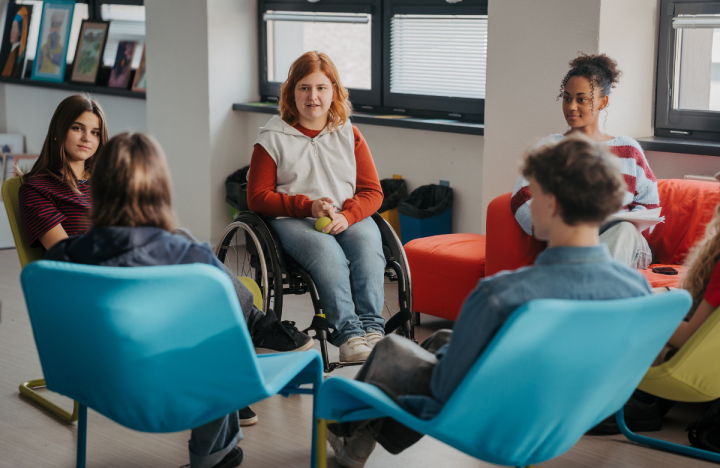
As the EU’s largest private employer, the retail and wholesale sector provides opportunities for individuals from marginalised communities, including migrants, refugees, and minorities. By offering entry-level positions, skill development programmes, and career advancement opportunities, retailers and wholesalers play a pivotal role in empowering individuals who may face barriers to employment.
Retailers and wholesalers aspire to contribute to stable and just societies throughout Europe.
European Sectoral Social Dialogue
Eurocommerce is the recognised European social partner representing the retail and wholesale sector. At the European level, the European Commission established a sectoral social dialogue committee for the commerce sector back in 1999. The European social dialogue serves to enrich and complement national-level discussions, pooling the expertise and experience of social partners.
Here you can find our newly adopted social dialogue work programme 2026-2027.